Ground control

From the handheld to the command post

The ZT-T30 PAD travels with the crew; the ZT-TG2 dual-screen station holds the vehicle or the command post. One control logic across both — an operator trained on one flies the other.

The hardware

Two terminals, two ways to fly

Two terminals: the PAD the crew carries, and the dual-screen station that stays in the vehicle or the command post.

ZT-T30
ZT-T30

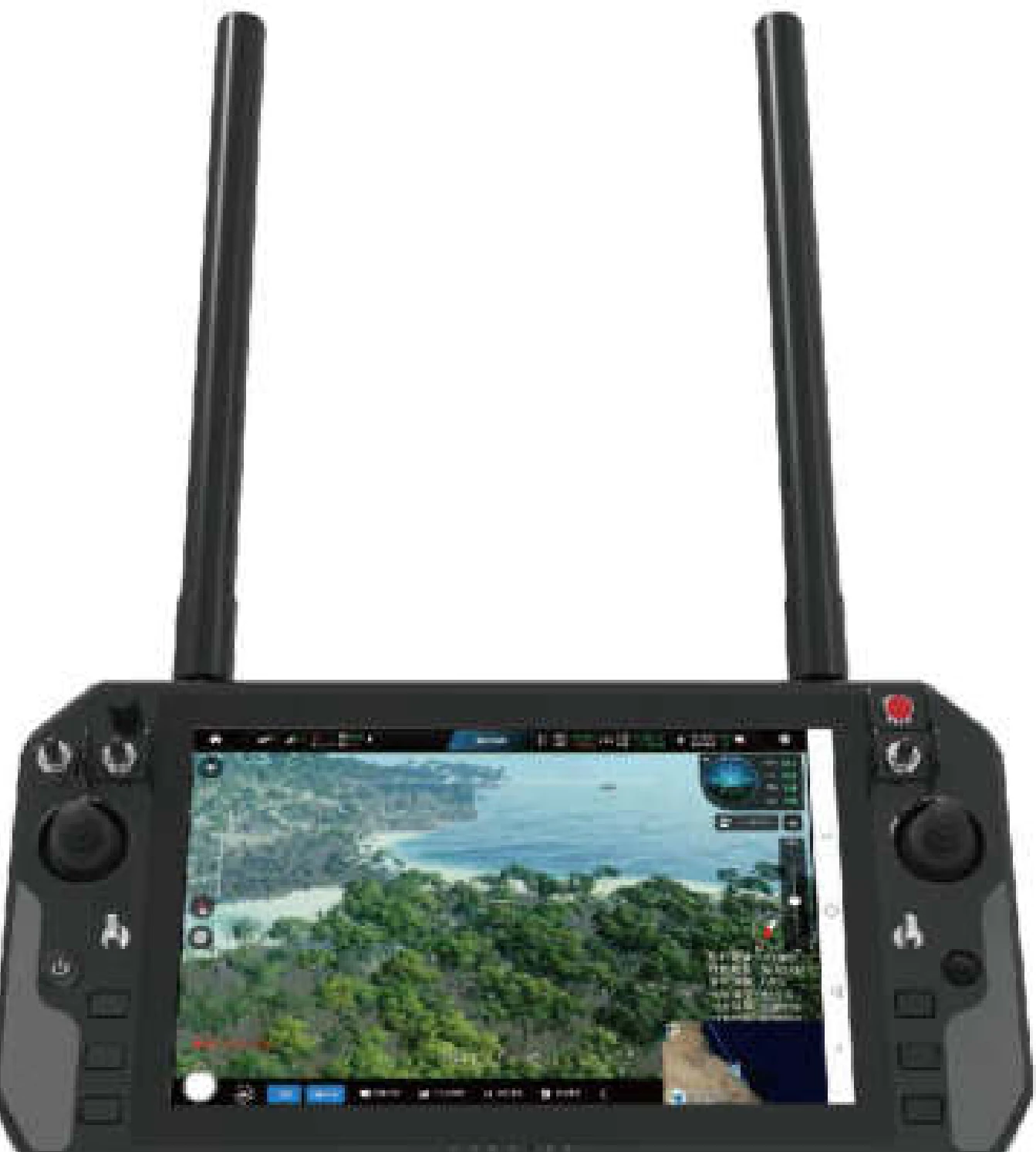
Handheld ground station (PAD)

One-piece handheld terminal: ground station, video relay and a 10.1-inch touch screen in 3 kg. This is what most crews carry into the field.

Dimensions
340 × 195 × 105 mm
Weight
≤ 3 kg
Display
10.1 in, 1920 × 1080
Battery life
≥ 4 h
Memory / storage
8 GB / 64 GB
Control range
≥ 30 km
Power supply
65 W, 220 V ±10% 50 Hz
ZT-TG2
ZT-TG2

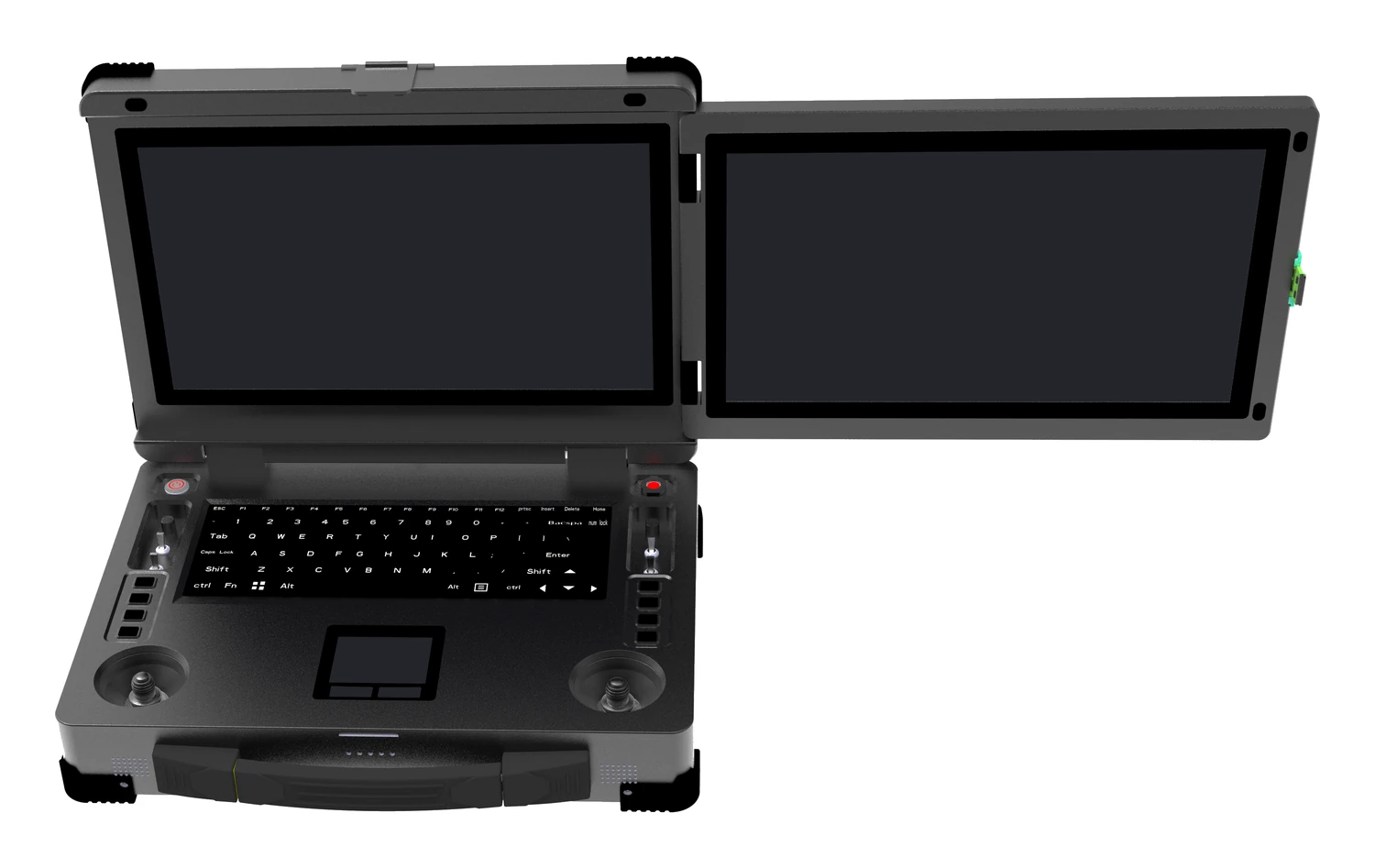
Dual-screen ground station

Folding dual-screen console: video on one 15.6-inch display, flight data and route on the other. Built for the vehicle or the command post, not the backpack.

Dimensions
413 × 330 × 100 mm
Weight
≤ 10 kg
Display
15.6 in × 2, 1920 × 1080
Battery life
≥ 4 h
Memory / storage
32 GB / 1 TB
Keyboard
86 keys + shortcut keys + touchpad + joystick
Power supply
Single-phase 220 V ±10% 50 Hz
Capabilities

What the operator gets

Two terminals, one control logic. What matters in the field is not the size of the screen but how few steps sit between the operator and the aircraft.

01

One person, one aircraft

The ZT-T30 is ≤ 3 kg with a built-in battery good for ≥ 4 h: one person carries it in and launches.

02

Two screens, three jobs

Two 15.6-inch screens show video, flight data and the flight path at once, switchable at any moment.

03

The link is built in

The ZT-T30 controls the aircraft directly, with no external video-link box: one less device, one less failure point.

04

Folds into a case

The ZT-TG2 folds into its own case: into the vehicle, out at the site, open and fly.

05

Watch it live

Live imagery comes back in real time — the command post and the site watch the same feed.

06

Learn one, fly both

Both terminals share one interface: an operator trained on one does not re-learn the other.

Across the fleet

One interface, the whole fleet

The ground side is not an accessory tied to one airframe. The same station family flies every model in the range, and the simulator your crew trains on answers to the same control logic.

  • Fleet-wideThe same station family controls every model in the range.
  • Same interface, new airframeAn operator trained on one model does not re-learn the interface on another.
  • Same logic as trainingThe simulator runs the same control logic, so what is rehearsed on the ground goes straight to the field.
Start here

Discuss this platform

Send your operating profile — terrain, altitude, sortie length, payload and communications environment. Our engineering team returns a configuration, payload options and delivery schedule.

Frank@hovwing.comSales & technical enquiries

Technical enquiries are answered by an application engineer, usually within one business day.