Data communications

One mesh, self-healing links

Three units of hardware and a network that keeps the aircraft connected: self-forming links, roaming between base stations, and operation from a moving vehicle or a boat.

The hardware

Three links, one mesh

Three units — two base stations and a tracking antenna. What they carry is the mesh described below.

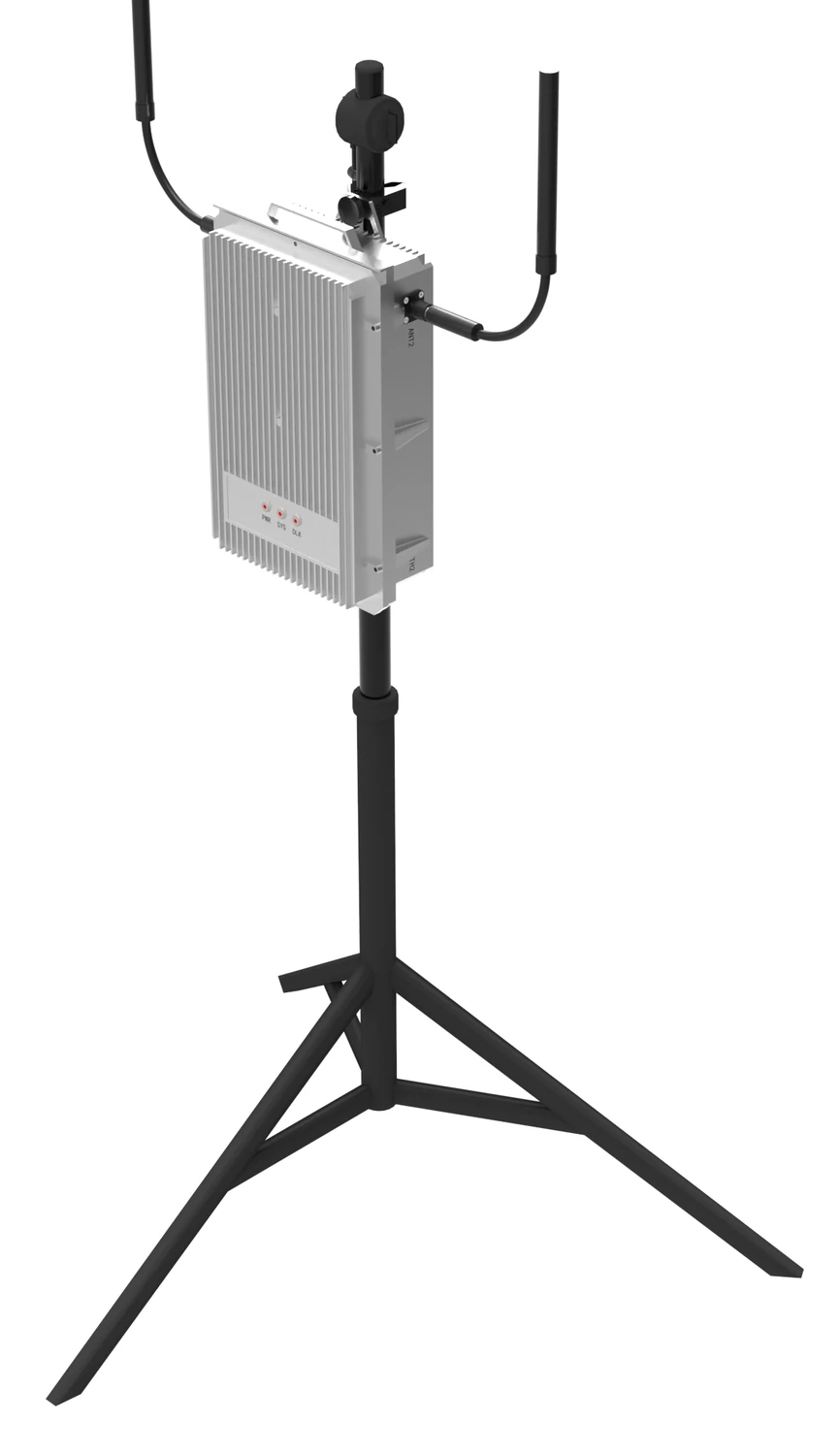
Relay M02
Relay M02

Electric ground base station

Battery-powered mesh node on a tripod. Sets up in minutes where there is no vehicle access, and extends the link 65 km.

Transmit power
Dual channel 2 × 2 W
Frequency band
L band, 1,350–1,450 MHz
Channel bandwidth
1 / 5 / 10 / 20 MHz (optional)
Communication range
65 km (50+ km)
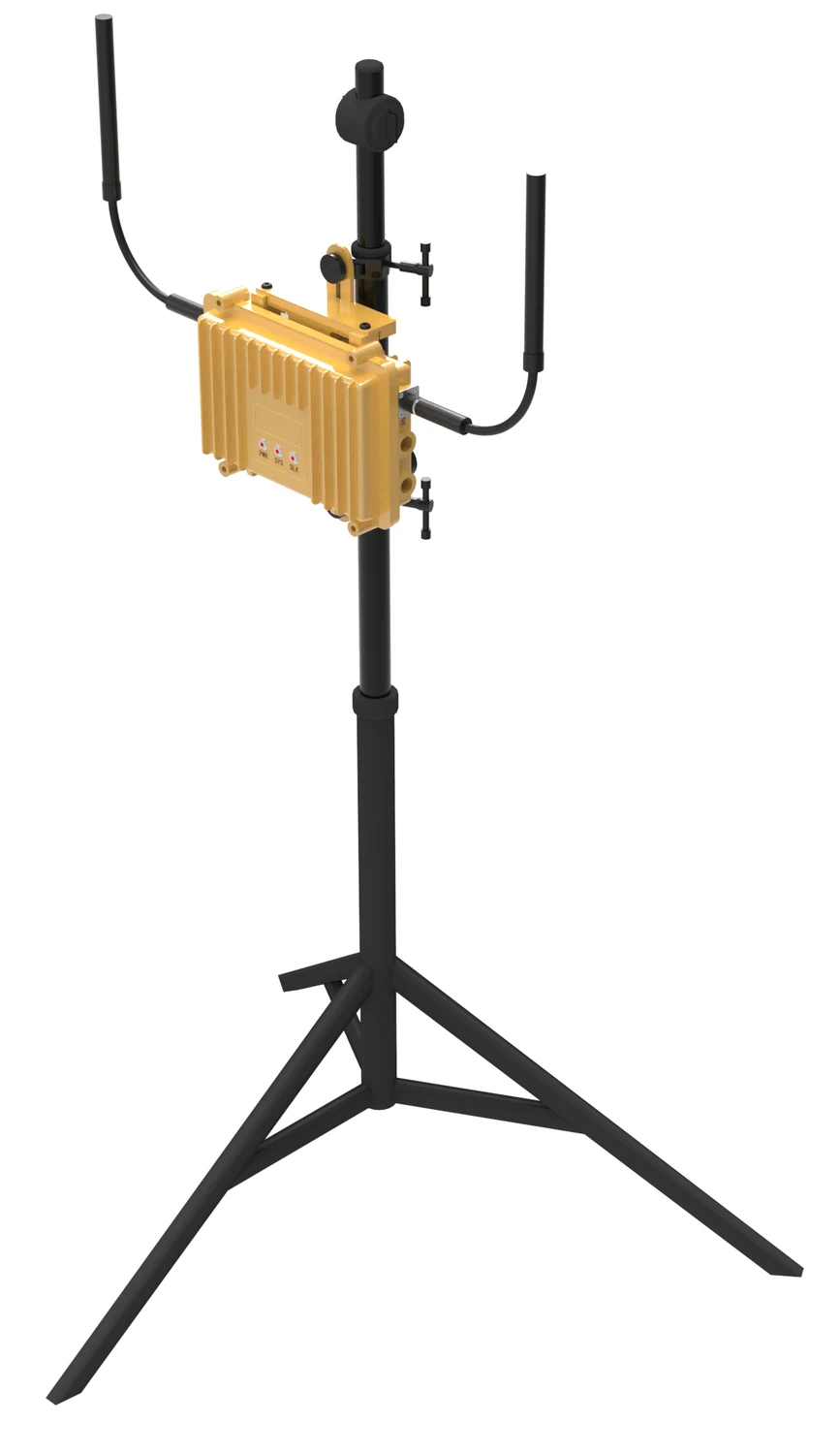
Relay M10
Relay M10

Hybrid ground base station

The same node with a hybrid power supply and 10 W per channel — twice the reach of the M02 for a station that stays out for days.

Transmit power
Dual channel 2 × 10 W
Frequency band
L band, 1,350–1,450 MHz
Channel bandwidth
1 / 5 / 10 / 20 MHz (optional)
Communication range
120 km (100+ km)
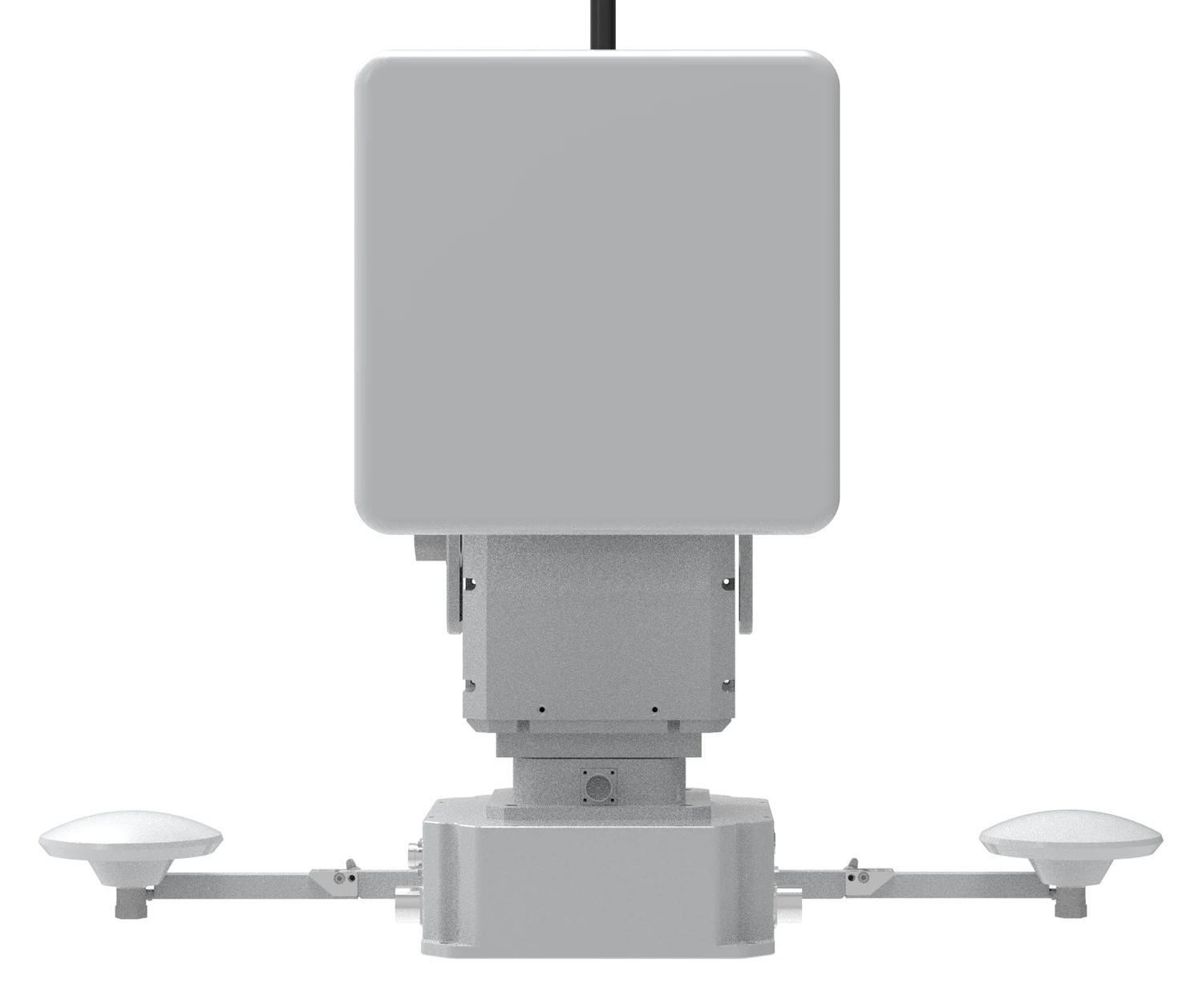
AAT M10
AAT M10

Ground tracking antenna

Auto-tracking antenna that keeps the link on a moving aircraft at 200 km, hands off between aircraft and holds the beam without an operator.

Transmit power
Dual channel 2 × 10 W
Frequency band
L band, 1,350–1,450 MHz
Channel bandwidth
1 / 5 / 10 / 20 MHz (optional)
Communication range
200 km
Capabilities

What the network does

The three units above are only the visible half. The value sits in what the network does with them: it measures the link, routes around terrain, hands the aircraft from station to station, and keeps working while the team moves.

01

A network with no centre

Base stations and airborne terminals are peers: a unit joins and becomes a node. Several aircraft share the same mesh, with no central server and no single point of failure.

02

Signals measured, then optimised

Signal quality and link state are collected in real time and analysed; the network then strengthens and optimises the link, holding usable bandwidth through weak stretches.

03

Cities and ridges

In dense urban blocks and broken mountain terrain the link routes around obstruction and interference instead of dropping behind a ridge.

04

Roaming relay

Airborne mesh terminal plus roaming base stations. The stations schedule cooperatively and compare signal quality in real time, switching with low latency: the aircraft leaves one cell and the next picks it up.

05

On the move, including at sea

Ship-borne launch and recovery are supported: the tracking antenna follows the platform's motion and holds the beam through take-off and landing. The same holds for a moving vehicle column.

06

Grid deployment

Base stations are laid out on a grid and relay from point to point, covering the whole route — as many points as the route needs.

On the aircraft

On the aircraft — the aircraft itself is a node

The airborne mesh terminal runs the same link protocol as the base stations and the tracking antenna. It is not a transparent pass-through: once airborne, the aircraft is a node on the network — it can reach behind a ridge or between buildings, and join ground and roaming stations in one mixed network.

  • One protocol across the fleetEvery model shares the same link protocol and ground stations; changing airframe does not change how it is flown.
  • Airborne relayOne aircraft can act as an airborne relay node and bridge the beyond-line-of-sight leg.
  • One mixed networkAirborne terminals, ground base stations and roaming stations sit in one network, scheduled from the dispatch station.
Start here

Discuss this platform

Send your operating profile — terrain, altitude, sortie length, payload and communications environment. Our engineering team returns a configuration, payload options and delivery schedule.

Frank@hovwing.comSales & technical enquiries

Technical enquiries are answered by an application engineer, usually within one business day.